
Marshall County Criminal Court Records
Criminal case files in Marshall County are handled through the Circuit and Superior Court system. The clerk accepts criminal filings, enters orders and judgments, and collects court costs, fines, restitution, probation fees, and community-correction fees. The prosecutor decides what charges to file, but the public criminal court record is maintained through the court and clerk once the case opens.
The full criminal court record is broader than a charge list. It can include the charging information, probable-cause materials where public, appearances, bond orders, hearing notices, motions, plea agreements, trial settings, sentencing orders, probation conditions, restitution, financial obligations, and final judgment. For a closer look at arrest-to-charge flow, use the separate arrest records and court charges page.
Search Marshall Criminal Court Records
Use Indiana MyCase for public, non-confidential Marshall County criminal case information. The portal can search by case number, party name, attorney, citation number, or cross-reference number. Advanced filters can narrow by court, case type, status, and filing date. MyCase search tips warn that no search returns more than 1,000 results, so filters are important when a name is common.
- Search by case number if a court notice, bond paper, or attorney letter gives one.
- Use party name search with last name plus first name, middle name, or date of birth if the number is unknown.
- Limit to Marshall County courts when the portal allows court filtering.
- Review the CCS entries for hearings, charges, pleas, orders, disposition, and sentencing.
- Request certified or unlinked public documents from the Marshall County Clerk.
Date of birth can narrow results but does not display in public details and may exclude records where it is absent. Some criminal documents are public online, but many require a clerk copy request.
Marshall Criminal Case Flow
A criminal court file often starts after arrest or investigation, but the court record begins when the prosecutor files a charge or related paper with the clerk. Indiana calls the local charging office the Prosecutor's Office. The Marshall County Prosecutor's Office is led by E. Nelson Chipman, Jr. for the 72nd Judicial Circuit and lists divisions for Traffic and Misdemeanor, Pretrial Diversion, Infraction Deferrals, Child Support, and Victim Assistance.
Case flow: Arrest or investigation › prosecutor review › charging information › arraignment › pretrial hearings and motions › plea or trial › disposition › sentencing › probation, restitution, appeal, or post-conviction entries.
| Stage | What the Record May Show |
|---|---|
| Charge filed | Counts, offense level, statute reference, probable-cause record where public, and case number. |
| Arraignment | Initial plea, advisements, bond terms, attorney appearance, and next hearing. |
| Pretrial | Motions, continuances, discovery events, plea negotiations, and trial settings. |
| Disposition | Dismissal, guilty plea, verdict, amended count, reduced charge, or other outcome. |
| Sentencing | Jail, prison, probation, fines, costs, restitution, community corrections, or other terms. |
What Criminal Records Show
A Marshall County criminal court record is read through the chronological case summary. The CCS is the running docket of filings and court events. It may also point to linked public documents, though not every public document is available online.
| Field | Meaning |
|---|---|
| Case number | Indiana uniform case number that identifies county, court, date, type, and sequence. |
| Parties | State of Indiana, defendant, attorneys, and sometimes agencies where public. |
| Charges | Filed counts, charge level, statute reference, and changes to charge status. |
| Bond and warrants | Bond orders, warrant entries, failures to appear, and custody-related court events. |
| Plea and disposition | Guilty plea, not-guilty plea, dismissal, verdict, or amended count outcome. |
| Sentence | Probation, jail, prison, restitution, fines, costs, and community-correction terms. |
Charges Versus Convictions
Marshall County sheriff releases include presumption-of-innocence language, and that caution also applies to criminal court records. A charge is an allegation filed by the prosecutor. A conviction is an outcome after a plea or finding of guilt. A criminal case can include charges that are dismissed, reduced, amended, or resolved without a conviction on every count.
| Topic | Charge | Conviction |
|---|---|---|
| What it means | Allegation filed in court. | Finding or plea that establishes guilt. |
| Where shown | Charging document and CCS entries. | Disposition, judgment, and sentence entries. |
| Can change | May be amended, reduced, dismissed, or dropped. | May be appealed, vacated, or later expunged if eligible. |
Marshall County Sentencing Records
Sentencing entries are part of the criminal court record when a charge leads to conviction or another sentence-producing outcome. The research notes that the clerk collects and disburses restitution, probation fees, community-correction fees, court costs, fines, judgments, and miscellaneous court fees. Those financial entries can explain why a closed criminal case still shows payment activity after the disposition date.
Probation and community corrections are also local record clues. The Probation Office page describes supervision aimed at reducing criminal and delinquent behavior while balancing community safety. It also reports common requirements such as no new criminal acts, employment or student status, no illegal drug use, completion of court-ordered treatment or restitution, and maintaining contact with the probation officer. Community Corrections has an intake and interview process before sentencing, and those alternatives may appear in court orders or sentencing terms.
Not every sentence means jail or prison. A Marshall County criminal case can include probation, restitution, community corrections, suspended time, fines, costs, treatment, no-contact orders, or other conditions. The CCS should be read with the sentencing order because the docket summary may be short while the written order contains the full terms.
Restricted Criminal Court Records
Indiana MyCase searches only public cases that are not confidential, sealed, or expunged. Juvenile allegations, some protected-person data, mental health material, and sealed filings may not be visible to the public. Expungement under IC 35-38-9 can remove qualifying arrests and charges from public access or restrict conviction records, depending on the case type and statutory waiting period.
| Record Status | Public Effect |
|---|---|
| Sealed | Removed from ordinary public access by law or court order. |
| Expunged | Access removed or restricted under Indiana expungement law. |
| Juvenile | Often restricted to parties, attorneys, agencies, or court order. |
Note: If a public criminal document is not linked online, request it from the clerk instead of assuming it is confidential.
Marshall Criminal Record Sources
Indiana criminal-law and expungement source material appears in the manifest through Indiana Code Title 35.
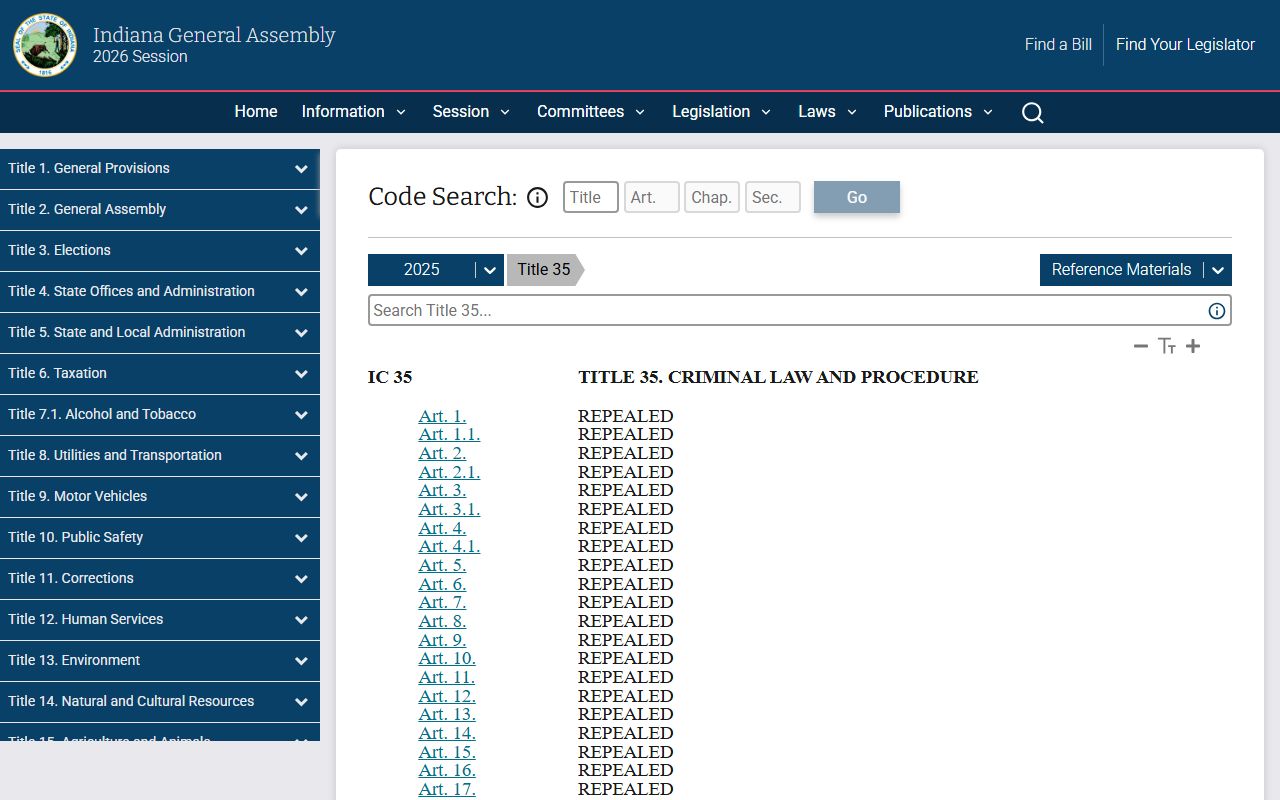
That source supports the charge, sentencing, and expungement terms used for Indiana criminal cases.
The Indiana Legal Help expungement FAQ is a court-system legal-help source for plain-language expungement context.
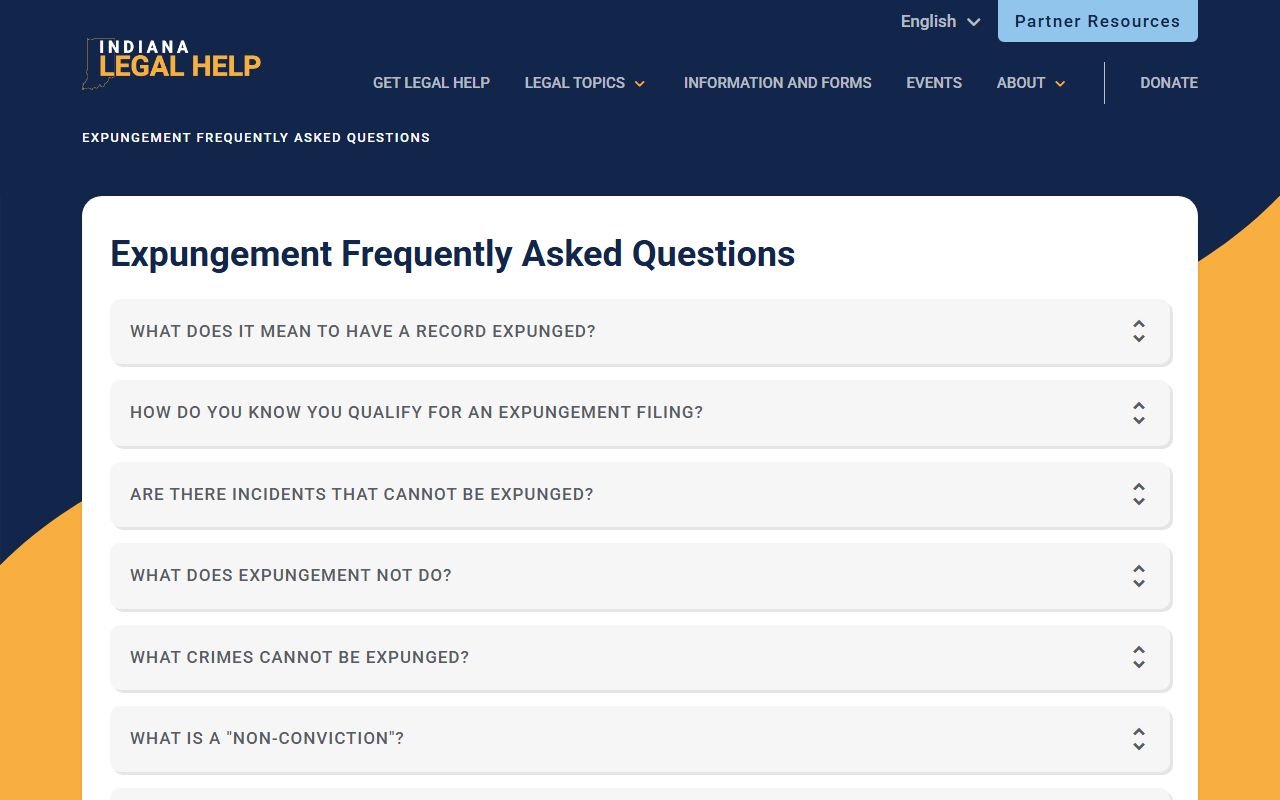
It helps explain why an older criminal case may no longer appear in public search.
Federal criminal cases are separate, and the U.S. Attorney's Office for the Northern District of Indiana is assigned as a federal source.
Federal prosecution records use federal courts and PACER, not the Marshall County Clerk.